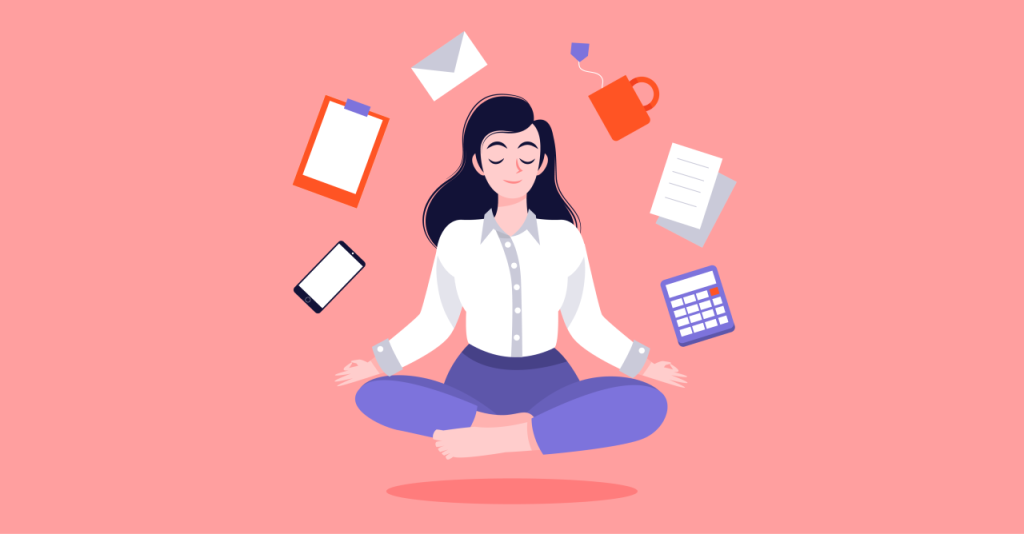
Stress is a universal experience, but its impact is not uniform. Women in the workplace encounter unique stressors, from balancing professional and domestic responsibilities to navigating gender biases and workplace inequalities.
According to Women and Stress in the Workplace – Eustress or Distress? by Prof. Renata Schoeman (2024), chronic stress can lead to severe health consequences, while certain types of stress – known as eustress – can drive motivation and achievement.
Understanding this balance is crucial for fostering well-being and productivity among women professionals.
Understanding stress: eustress vs. distress
Stress manifests in two primary forms: eustress (positive stress) and distress (negative stress). Eustress enhances performance, fosters growth, and acts as a motivating force. It can push individuals to meet deadlines, prepare for presentations, and pursue career advancements. Conversely, distress occurs when stressors become overwhelming, leading to physical and emotional exhaustion. This chronic state can result in burnout, negatively impacting personal and professional well-being (Schoeman, 2024).
The impact of workplace stress on women
Research indicates that women experience workplace stress differently than men. According to the Women @ Work 2024 report by Deloitte, burnout levels have declined from nearly 50% in 2022 to 25% in 2024, possibly due to increased corporate mental health initiatives. However, half of the women surveyed reported rising stress levels, with a third taking time off due to mental health concerns (Deloitte, 2024).
Key stressors for women in the workplace include:
- Work overload: many women juggle multiple roles, including caregiving and professional responsibilities.
- Lack of autonomy: limited decision-making power can lead to frustration and dissatisfaction.
- Emotional labor: women often bear the burden of maintaining workplace harmony, which can be emotionally draining.
- Workplace inequality: gender pay gaps, lack of promotional opportunities, and microaggressions add to workplace stress (Schoeman, 2024).
The physical and psychological effects of stress
Chronic stress has severe implications for health. Physically, it can contribute to cardiovascular diseases, digestive issues, immune system dysfunction, and hormonal imbalances. Psychologically, it can lead to anxiety, depression, irritability, and reduced cognitive function. Women, in particular, are more prone to conditions like migraines, irritable bowel syndrome, and fertility complications due to stress (Schoeman, 2024).
Workplace strategies for managing stress
Organisational leadership plays a crucial role in mitigating workplace stress. Creating an inclusive, psychologically safe work environment can significantly reduce distress and enhance job satisfaction. Effective strategies include:
- Flexible work policies: encouraging work-life balance through remote work options, flexible hours, and paid parental leave can alleviate stress.
- Mental health support: providing access to counseling services, mental health awareness programs, and stress management training can empower employees to seek help without stigma.
- Gender equity initiatives: addressing pay disparities, implementing mentorship programs, and fostering leadership opportunities for women can create a more supportive work culture.
- Workload management: encouraging reasonable deadlines, reducing unnecessary meetings, and promoting delegation can prevent burnout.
- Recognition and support: acknowledging women’s contributions and fostering a culture of respect and appreciation can improve job satisfaction (Schoeman, 2024; Deloitte, 2024).
The role of self-care and resilience
While organisational support is vital, individuals can also take proactive steps to manage stress. Women can develop resilience through:
- Mindfulness and relaxation techniques: meditation, deep breathing, and yoga can help regulate stress responses.
- Healthy lifestyle choices: regular exercise, a balanced diet, and sufficient sleep contribute to overall well-being.
- Time management skills: prioritising tasks, setting boundaries, and learning to say no can prevent excessive stress.
- Social support networks: seeking support from colleagues, mentors, and personal relationships can provide emotional strength and encouragement.
- Professional development: engaging in continuous learning and skill-building can boost confidence and career progression (Schoeman, 2024).
The economic and organisational impact of workplace stress
Stress doesn’t just affect individuals; it impacts organisational performance and national economies. A study by Evans-Lacko & Knapp (2016) estimated that depression-related absenteeism costs economies around 0.62% of GDP, while presenteeism (working while unwell) results in a 4.23% productivity loss. This highlights the need for proactive workplace wellness initiatives.
Conclusion
Despite increasing awareness and corporate efforts, workplace stress remains a significant challenge for women. To foster a thriving work environment, businesses must implement policies that promote mental health, equity, and work-life balance. Women, in turn, should prioritize self-care and resilience-building strategies to navigate stress effectively. By addressing these concerns collectively, organizations can create inclusive workplaces where women can succeed without compromising their well-being.
References
- Schoeman, R. (2024). Women and stress in the workplace – eustress or distress? In A. Bosch (Ed.), Women’s Report 2024: Women’s workplace health. Retrieved from www.womensreport.africa
- Deloitte. (2024). Women @ Work 2024: A global outlook. Retrieved from https://www.deloitte.com/content/dam/assets-shared/docs/collections/2024/deloitte-women-at-work-2024-a-global-outlook.pdf
- Evans-Lacko, S., & Knapp, M. (2016). Global patterns of workplace productivity for people with depression: Absenteeism and presenteeism costs across eight diverse countries. Social Psychiatry and Psychiatric Epidemiology, 51(11), 1525-1537. DOI: 10.1007/s00127-016-1278-4