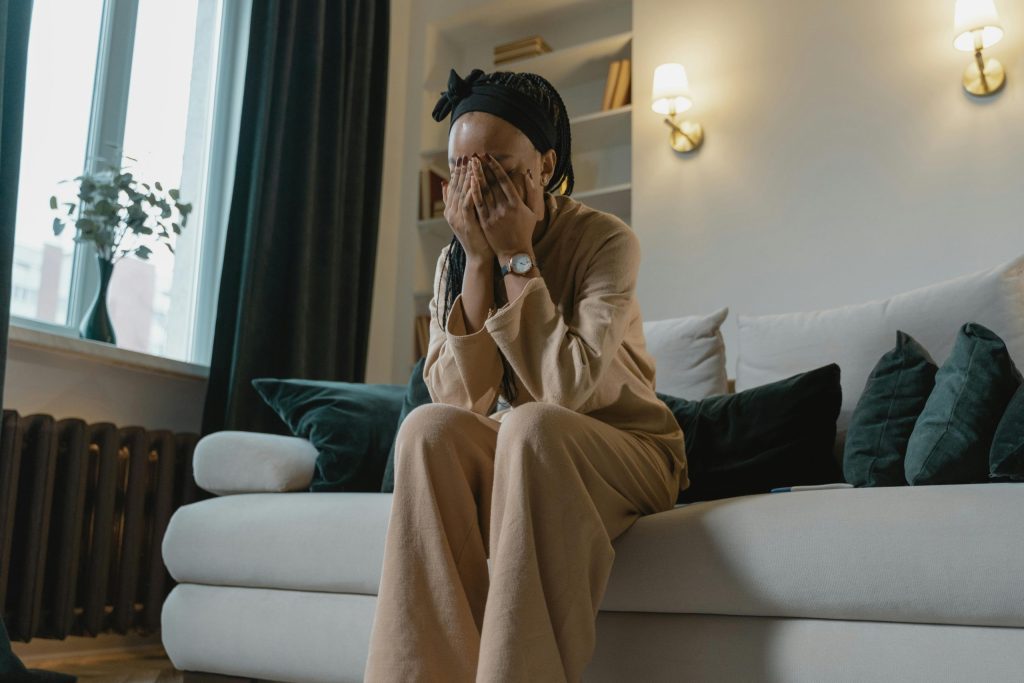
A growing body of research shows that women are more likely than men to experience certain mental health conditions – yet their needs remain under-recognised and undertreated. McLean Hospital highlights how biological, genetic, and social differences shape mental health outcomes across genders, and points out that these differences demand tailored diagnoses and care.
Key mental health disparities
- Depression & anxiety
Women are twice as likely as men to experience depression and anxiety, with depressive disorders accounting for over 40% of mental health-related disability in women (versus <30% in men).
- Trauma & PTSD
Women face disproportionate exposure to sexual violence, with approximately 20% experiencing rape or attempted rape in their lifetime. This exposure contributes to higher rates of PTSD, often with more severe symptoms.
- Eating disorders
These conditions predominantly affect girls and women. Over half of those diagnosed with binge eating disorders are female, and middle school surveys suggest around 6% of girls engage in disordered weight-control behaviors.
- Substance use disorders
Women may become addicted after fewer exposures and shorter timeframes compared to men. They also face stronger cravings and higher relapse risks, with societal factors like caregiving responsibilities further hindering treatment access.
- Suicide
Women are more likely to attempt suicide, though men more often complete it. Increased physical symptoms and higher emotional distress heighten repeat attempt risks among women.
Root causes & barriers
- Cultural & societal pressures
The mentally burdened expectation for women to maintain multiple roles, coupled with stereotypes around emotionality and value, often contributes to worsened mental health.
- Care access challenges
Nearly 25% of women report missing or delaying mental health care because they cannot take time off work or afford treatment. Care often fails to integrate mental and primary health services.
- Impact of domestic abuse & intersectionality
Intimate partner violence – another compounding risk – aggravates mental health conditions. Women of colour may face compounded impacts due to the intersection of gender-based bias and racial discrimination, which can heighten physiological stress responses.
Local connection: mental health & gender in South Africa
While the global data is alarming, South African women face even more layered and urgent challenges.
- GBV & trauma: South Africa has some of the highest rates of gender-based violence (GBV) globally. According to SAPS, over 53,000 sexual offences were reported in 2024 alone, with women comprising the overwhelming majority of victims. These traumatic experiences significantly increase the risk of PTSD, depression, and anxiety, often without access to trauma-informed care.
- Economic barriers: Women – especially in rural or low-income areas – struggle to access quality mental health services. Mental health care is not universally integrated into primary health facilities, and only a small fraction of the national health budget is allocated to mental health (estimated at under 5%).
- Stigma & access gaps: Cultural stigma around mental illness remains prevalent, and women are often primary caregivers, which adds invisible emotional labour and limits time for self-care or therapy. For many, mental health services are inaccessible, unaffordable, or simply unavailable.
- Intersectional impacts: Women of colour, LGBTQIA+ individuals, and those living in informal settlements or under-resourced provinces are particularly vulnerable – facing discrimination, under-diagnosis, and chronic exposure to stressors without systemic support.
Call to action: bridging the gap for South African women
To make meaningful progress on mental health equity, policymakers, healthcare leaders, and civil society must act:
- Invest in women-centred mental health services
Expand funding for accessible, community-based care that addresses trauma, GBV recovery, postpartum mental health, and substance use disorders among women.
- Train and deploy more female mental health providers
Increase the number of women in the mental health workforce, especially in underserved communities, to improve trust and culturally responsive care.
- Integrate mental health into primary health care
Make mental health services standard at clinics and hospitals – alongside maternal and reproductive care.
- Support research and data collection
Fund gender-disaggregated research to understand the specific needs of South African women across life stages, from adolescence to menopause.
- Destigmatise and educate
Launch public awareness campaigns to reduce stigma around mental health and encourage women to seek support without fear of judgment or dismissal.
Mental health is not a luxury – it’s a fundamental human right. If we want healthier women, families, and economies, we must prioritise women’s mental wellbeing with the same urgency we apply to physical health and safety.
Sources & references
- McLean Hospital (2025, May 27). Women’s Mental Health: The Gaps, the Truth, and the Way Forward.
Retrieved from McLean Hospital websitemcleanhospital.org
- McLean Hospital. Division of Women’s Mental Health Overview – mission, research, and leadership.mcleanhospital.org+4mcleanhospital.org+4